
Discover
Your True Self.
Step into an authentic yoga journey in Varkala, Kerala — rooted in traditional Ashtanga Vinyasa Yoga, Hatha Yoga, philosophy, meditation and mindful living.
A space for
practice & discovery.
As a Divine blessing, I received the practice of Ashtanga yoga and Ayurveda & Kalari Payattu at a young age, and have been a sincere practitioner of its principles ever since.
I completed the sequences of Ashtanga Vinyasa Yoga, Hatha Yoga, Tantra Yoga, Yoga philosophy and massage therapies.
It is a deep honor for us to hold this Ashtanga yoga space and to share the traditional Mysore-style practice with students.
Our teaching is rooted in respect for the lineage and in the belief that steady, dedicated practice can support balance, clarity and well-being in everyday life.
Meet Yogi Vijith Pavi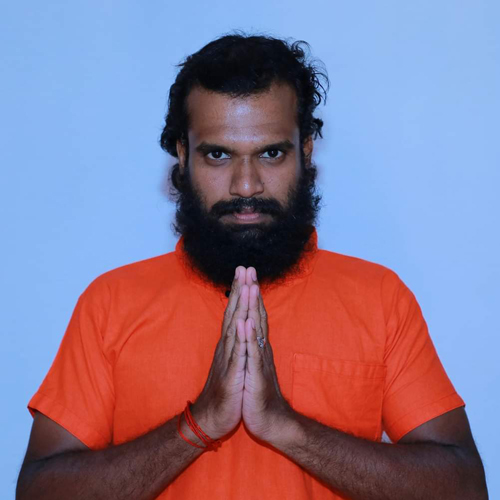
ALLIANCE REGISTERED
YOGA SCHOOL
Learn traditionally.
Teach confidently.
Tattvaashram Yogshala offers comprehensive Teacher Training Courses in 200-hour and 500-hour formats, encompassing Ashtanga Vinyasa Yoga and Hatha Yoga.
The training brings together yoga practice, philosophy and traditional knowledge in an immersive learning environment in Varkala, Kerala.
Students are guided through a dedicated learning journey designed to deepen their personal practice and understanding of yoga.
Yoga that goes
beyond the mat.
Explore traditional yoga practices and immersive learning experiences at Tattvaashram Yogshala in Varkala, Kerala.
200 Hour
Teacher Training
A comprehensive teacher training journey covering Ashtanga Vinyasa Yoga, Hatha Yoga, anatomy, philosophy, pranayama, meditation and teaching methodology.
Explore Training →
Ashtanga
Vinyasa Yoga
A traditional practice combining movement, breath, drishti and bandha to create a focused and disciplined practice.
Discover Ashtanga →
Hatha &
Holistic Yoga
Explore Hatha, Yin, meditation, pranayama, Ayurveda and complementary practices in a supportive learning environment.
Explore Classes →
Learn.
Practice.
Transform.
The teacher training program brings together asana, pranayama, meditation, anatomy, philosophy and the art of teaching yoga.
Students learn how to instruct, demonstrate, observe and provide appropriate assistance while developing a deeper understanding of yoga as a philosophical and spiritual discipline.
Many paths.
One journey.
Hatha
Traditional practiceAshtanga
Vinyasa practiceVinyasa
Breath & movementYin
Slow mindful practiceNidra
Deep relaxationBhakti
Devotional path
Your practice.
Your transformation.
Join us in Varkala for an immersive experience in yoga, traditional practice and mindful living.
Learn from
dedicated teachers.
Yoga is a living tradition. At Tattvaashram, students are encouraged to learn through consistent practice, observation and direct guidance.
Yogi Vijith Pavi
With a sincere dedication to traditional yoga practice, Yogi Vijith Pavi shares the knowledge of Ashtanga Vinyasa Yoga, Hatha Yoga, philosophy and complementary practices.
His approach encourages students to develop discipline, awareness and a deeper relationship with their own practice.
The learning experience is designed to support both aspiring teachers and sincere practitioners who wish to deepen their understanding of yoga.
Practice beside
the Arabian Sea.
Varkala brings together the sea, cliffs, tropical surroundings and a unique atmosphere that makes it a natural setting for reflection, practice and learning.
Experience Varkala
Stay. Practice.
Simply be.
A supportive environment helps you focus on your practice, learning and personal journey during your time in Varkala.
Comfortable Stay
A peaceful accommodation environment designed to support your yoga journey and daily practice.
Nourishing Food
Simple vegetarian meals to complement a focused and mindful lifestyle during the training experience.
Community
Meet fellow practitioners from different parts of the world and share a meaningful learning experience.
Yoga beyond
asana.
Traditional yoga is not limited to physical postures. Breath, meditation, philosophy, lifestyle and complementary traditions can all become part of a deeper journey.
Tattvaashram's learning environment introduces students to complementary practices that can enrich their understanding of traditional yoga.
From curiosity
to confidence.
Arrive
Come to Varkala, settle into your surroundings and begin creating space for your practice.
Practice
Develop consistency through daily asana, breathwork, meditation and traditional study.
Understand
Explore philosophy, anatomy, teaching methodology and the wider context of yoga.
Transform
Take your learning beyond the course and continue your journey with greater awareness.
A glimpse of
the journey.
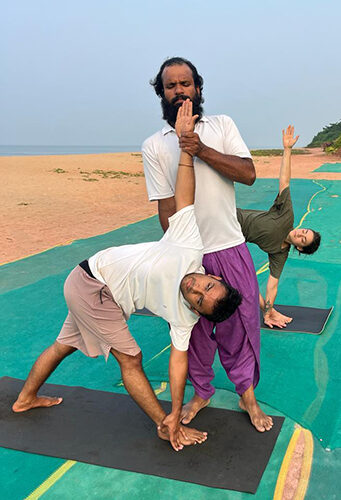
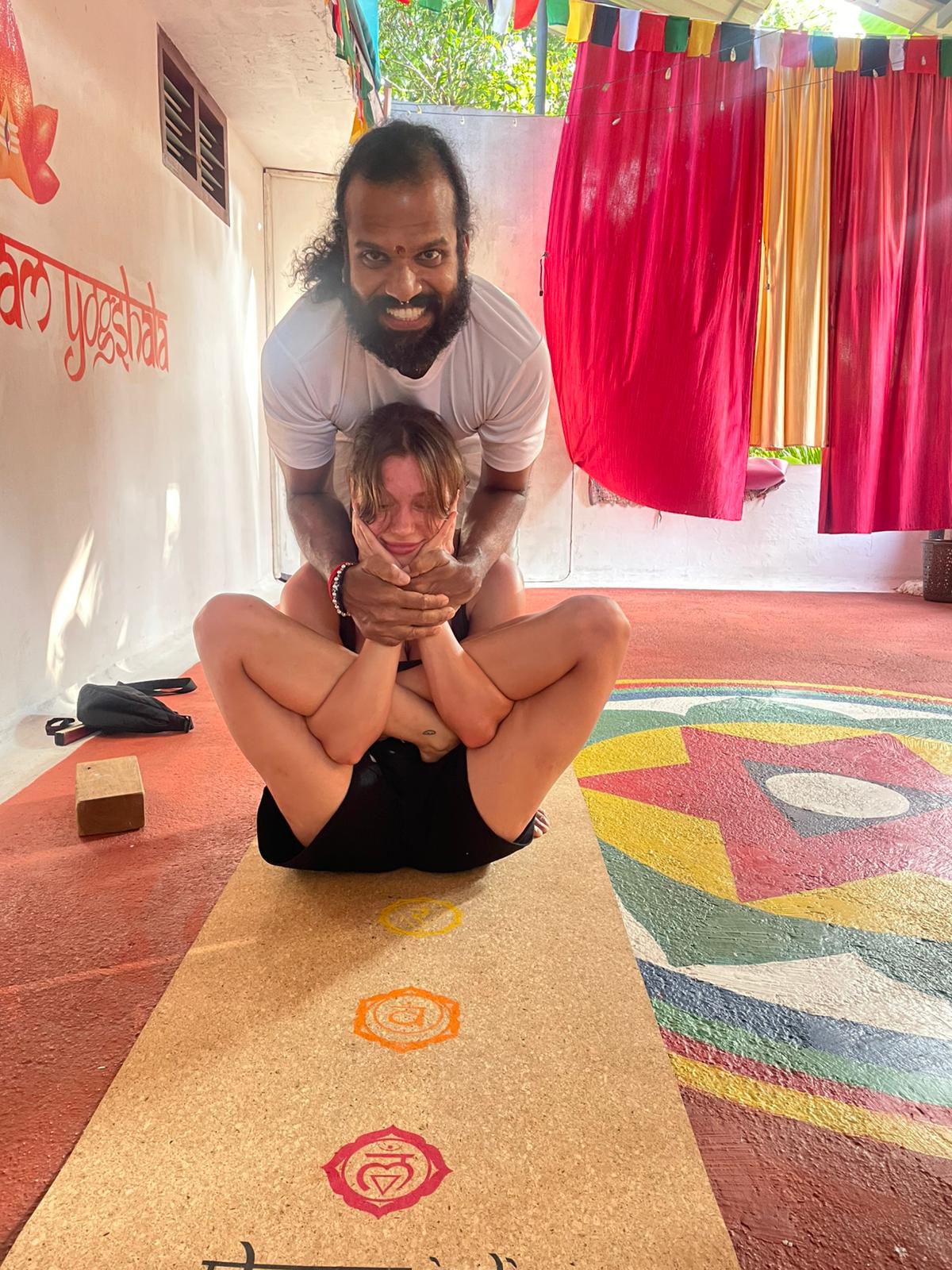
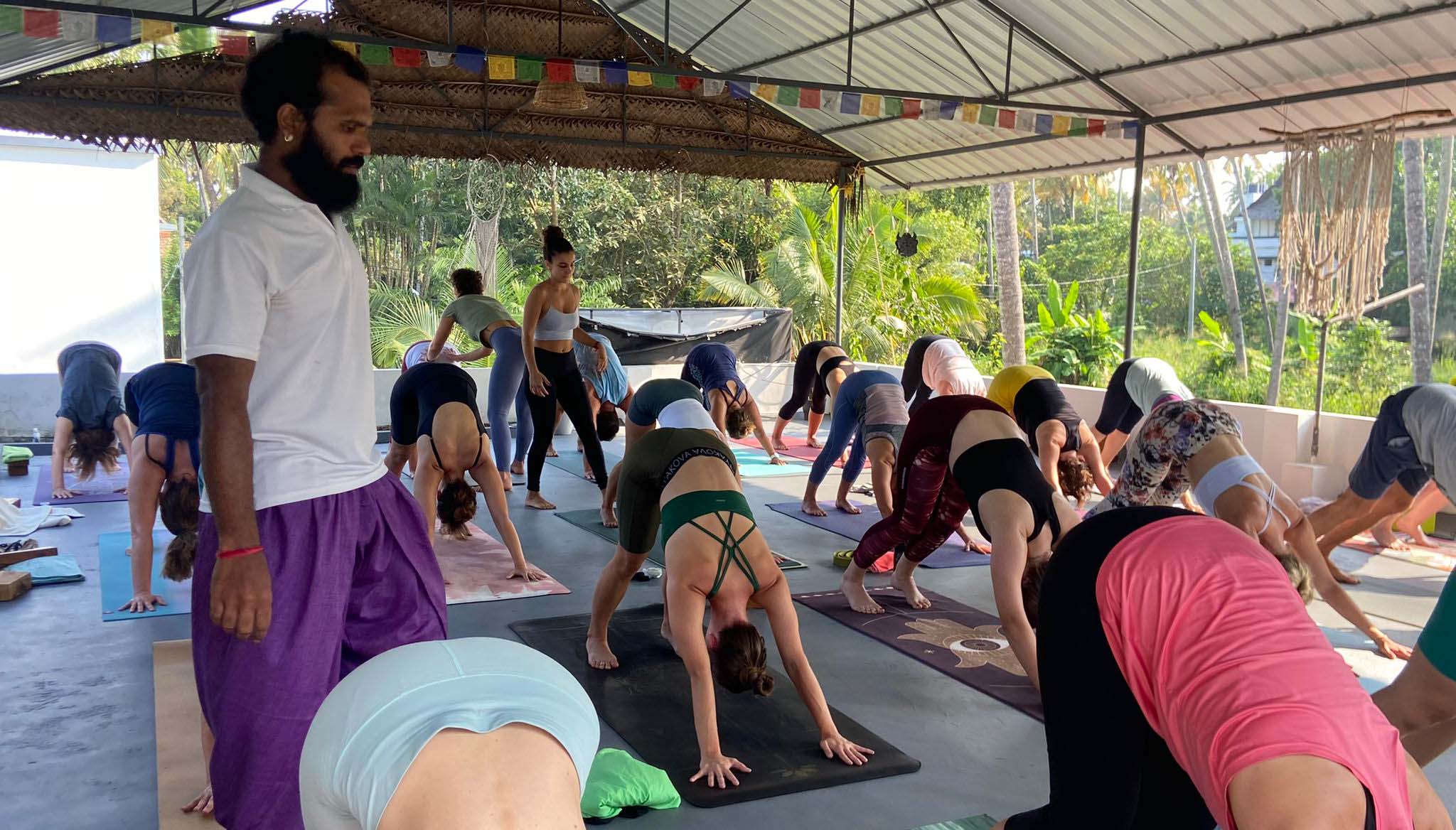
Come to Varkala.
Find your practice.
Whether you are beginning your yoga journey, deepening an existing practice or preparing to teach, discover a traditional learning experience in Kerala, India.
Words from
the journey.
“The practice, the teachers and the atmosphere created a very meaningful experience during my stay in Varkala.”
International Student Yoga Teacher Training“A peaceful place to deepen the practice and understand yoga beyond physical postures.”
Yoga Practitioner International Student“The traditional approach and personal guidance helped me connect more deeply with my own practice.”
Yoga Student Teacher Training Participant
Before you
begin.
Find answers to some of the common questions students have before joining a yoga program in Varkala.
Varkala.
Kerala.
India.
Come to one of Kerala's most distinctive coastal destinations and experience yoga in an environment shaped by nature, tradition and community.
Ask us
anything.
Tell us a little about yourself, your yoga experience and the program you are interested in. Our team can guide you through the next step.
Your journey
starts here.
Come to Varkala. Practice with dedication. Learn from tradition. Carry the experience with you wherever you go.